Bow Tie Embroidery: A Designer’s Review for Custom Apparel
As an embroidery designer who spends countless hours digitizing and testing files, I approach every new download with a critical eye. We all know the struggle of finding a machine embroidery design that not only looks good on screen but performs flawlessly under the needle. Recently, I came across the Bow Tie design on Creative Fabrica, and it immediately caught my attention for its versatility and charm. This review breaks down my experience evaluating this file for real-world commercial projects, helping you decide if it belongs in your digital library.
First Impressions and Visual Appeal
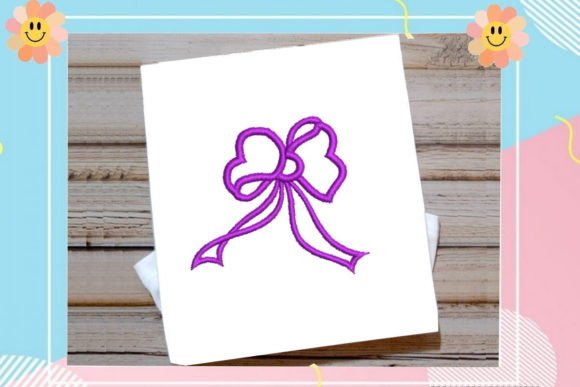
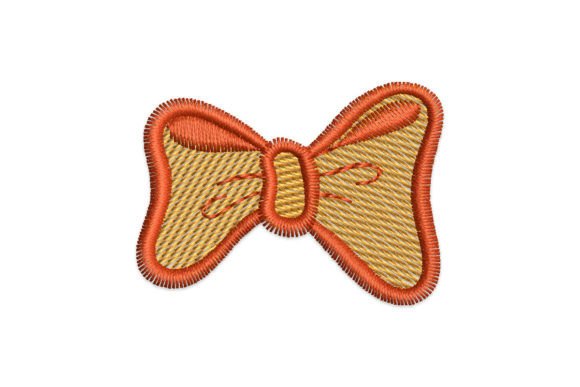
The first thing that strikes you about the Bow Tie design is its elegant simplicity. It manages to be cute without being childish, which is a delicate balance to achieve in the world of Accessories and apparel decoration. The visual mood is polished and refined, making it an excellent candidate for items that require a touch of sophistication. Whether you are aiming for a preppy aesthetic or a whimsical handmade vibe, this motif fits naturally.
The detail level appears well-considered. In many low-quality files, small details like the knot of a bow can get lost or become a tangled mess of thread. However, this design seems to prioritize clean lines and clear definition. The decorative appeal lies in its ability to complement rather than overwhelm. It is the kind of element that nicely complements a shirt’s collar or pockets, adding a focal point without dominating the entire garment.
Real-World Application for Handmade Products
When I evaluate a digital embroidery file, I always ask myself: "Where would I sell this?" For Bow Tie, the possibilities are extensive. I immediately envisioned using it for custom apparel, particularly on denim jackets or high-quality hoodies. The design’s structure suggests it would hold up well on heavier fabrics, providing a nice contrast to the casual nature of jeans and sweatshirts.
Beyond clothing, this design is a strong contender for home decor and gift items. Imagine a set of kitchen towels with a small, embroidered bow tie near the hem, or a pillow cover for a nursery that adds a subtle thematic touch. For Etsy sellers and craft fair vendors, this motif could elevate simple tote bags into boutique merchandise. It transforms a basic canvas bag into a personalized gift that feels thoughtful and curated. The versatility extends to embroidered patches as well, where a clean, isolated motif like this can be stitched out on felt or twill and then applied to various surfaces.
Performance on Different Fabrics
One of the key considerations for any embroidery file is how it interacts with different textiles. Based on the visual structure of Bow Tie, it appears suitable for a range of materials. On stable fabrics like cotton or linen, the stitches should lay flat and crisp. However, when working with stretchy fabric such as jersey knits for t-shirts or baby items, proper stabilization is crucial. I recommend using a cut-away stabilizer to prevent puckering, especially if the design incorporates any dense areas.
For dark fabric applications, thread color contrast becomes vital. A light-colored thread on a navy hoodie will make the bow pop, while tonal stitching on a black shirt offers a more subdued, elegant look. Always test on scrap fabric before committing to your final product. This allows you to check thread tension and ensure that the stitch density does not cause the fabric to gather or distort.
Technical Considerations for Embroiderers
Before loading this design onto your machine, there are several practical notes to keep in mind. First, confirm the hoop size required. While the description suggests it fits nicely on collars and pockets, implying a smaller footprint, you must verify the exact dimensions in the file details. Small hoop sizes are great for efficiency, but they limit your placement options. Ensure your machine’s minimum hoop capacity matches the design requirements.
Stitch density is another critical factor. If the design uses a significant amount of satin stitch for the bow’s loops, it may require careful tension adjustment to avoid thread breaks or nesting. Conversely, if it utilizes fill stitch for larger areas, check that the underlay is sufficient to support the top stitches. Running stitch elements, often used for outlines or fine details, should be inspected for continuity. Breaks in running stitches can lead to loose threads that require tedious trimming after the job is done.
Additionally, consider the surface you are embroidering on. Curved cap surfaces present a unique challenge. If you plan to use Bow Tie on hats, ensure you have the appropriate cap frame and stabilizer setup. The design should be centered carefully to avoid distortion around the seams of the cap. For items that need frequent washing, such as baby blankets or aprons, secure your thread tails meticulously and consider using a water-soluble topping if stitching on textured fabric like terry cloth.
Enhancing Product Value and Brand Consistency
From a business perspective, incorporating high-quality designs like Bow Tie can significantly impact your brand perception. A well-executed embroidery job signals quality to the buyer. When customers see clean, precise stitching, their trust in your handmade product increases. This design can help maintain brand consistency if you are building a collection around classic or playful themes. It serves as a recognizable signature element that can be repeated across various products, from sweatshirt embroidery to tote bag designs.
Visual appeal is paramount in online sales. A distinct, well-placed motif improves product photography by adding depth and interest to flat lays. When creating printable mockups for your online store, ensure the digital representation matches the physical reality of the stitched item. Misleading mockups can lead to customer dissatisfaction. By using a reliable Creative Fabrica embroidery asset, you reduce the risk of unexpected stitching issues, allowing you to present your finished product with confidence.
Final Verdict and Licensing Notes
In conclusion, Bow Tie appears to be a valuable addition to any embroidery designer’s toolkit. Its adaptability across custom apparel, home decor, and accessories makes it a versatile choice for small business owners and creative entrepreneurs. However, always remember to check the specific file details and licensing terms on the Creative Fabrica product page before selling finished items. Licensing agreements can vary, and it is essential to confirm that commercial use is permitted for your intended business model.
Do not assume file formats or machine compatibility without verification. Download the sample or preview if available, and compare light and dark fabric mockups to gauge versatility. By taking these precautions and applying best practices in stabilization and thread selection, you can leverage this design to create stunning, marketable goods. Whether you are decorating a single personalized gift or producing a batch of boutique merchandise, Bow Tie offers the elegance and charm needed to make your fabrics stand out.