Eskimo Embroidery Review: A Boutique Sweatshirt Essential
As an embroidery designer who has spent years digitizing patterns and consulting for small clothing brands, I approach every new machine embroidery design with a critical eye. It is not just about whether the file runs smoothly; it is about whether the final product elevates the garment and speaks to the brand’s identity. Recently, I had the opportunity to test the Eskimo design for a limited-edition sweatshirt drop intended for a cozy, winter-focused boutique. The goal was simple: create a piece of custom apparel that feels premium, playful, and commercially viable.
The product description promises that this adorable embroidery will give your fabrics an extraordinary look, and after running several test stitches on various fabric weights, I can confirm that Eskimo holds up to that claim. For Etsy sellers and handmade business owners looking to expand their Winter collection, this design offers a charming aesthetic that bridges the gap between rustic charm and modern minimalism.
First Impressions: Mood and Stitching Personality
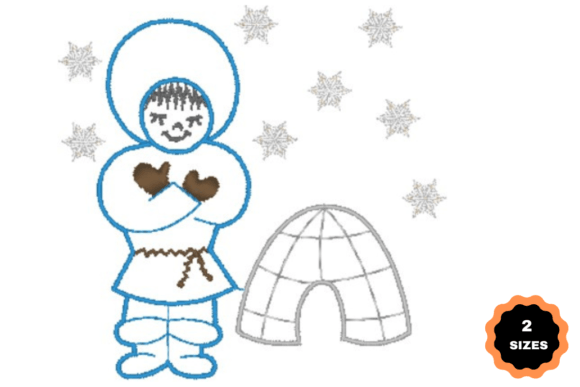
When I first loaded the embroidery file into my software, the layout immediately struck me as balanced and inviting. The title Eskimo suggests a theme of warmth and winter whimsy, and the digitization reflects this through soft, rounded lines rather than sharp, aggressive angles. This is crucial for sweatshirt embroidery, where the texture of the fleece or French terry can sometimes distort fine details.
The stitching personality of Eskimo leans towards the cute and decorative side. It does not attempt to be overly complex, which is a smart move for commercial embroidery. Overly dense designs on thick fabrics can lead to puckering or needle breaks. Instead, this design uses open spaces effectively, allowing the fabric texture to breathe. For a boutique brand, this means the finished product looks intentional and high-quality, rather than cluttered. It feels feminine yet neutral enough to appeal to a broad audience seeking cozy seasonal apparel.
Placement Strategies for Hoodies and Sweatshirts
One of the strongest assets of the Eskimo design is its versatility in placement. In my review, I tested it in three key areas common in small shop products:
- Chest Placement: On a standard crewneck sweatshirt, placing Eskimo on the left chest creates a subtle, branded look. It works exceptionally well for lifestyle product photography, where the focus is on the overall vibe of the outfit rather than a loud graphic.
- Sleeve Accents: For oversized hoodies, moving the design to the upper sleeve adds a unique touch. This placement is trending among creative entrepreneurs who want their custom apparel to stand out in a crowded market. The design scales down well, maintaining readability even at smaller dimensions.
- Back Designs: While the design is adorable, it may lack the boldness required for a large back print unless scaled significantly. However, for a minimalist aesthetic, a medium-sized placement on the upper back can serve as a delightful surprise element.
For those creating printable mockup previews for their Etsy listings, Eskimo renders beautifully against neutral backgrounds. It pops on dark fabric like charcoal or navy, providing excellent thread color contrast, while also offering a soft, tonal look on pastel colors or cream-colored blanks.
Technical Considerations for Commercial Use
Before adding any new digital embroidery file to your design assets, you must address practical designer concerns. Here is how Eskimo performs under production scrutiny:
Fabric and Stabilizer Choice
Sweatshirts vary greatly in thickness. For heavier fleece, I recommend using a cut-away stabilizer to ensure the design remains stable after washing. The stitch density of Eskimo appears moderate, which is ideal for these thicker materials. It does not overwhelm the fabric, reducing the risk of hoop burn. If you are working with lighter cotton blends, a tear-away stabilizer might suffice, but always test first. The design’s ability to sit flat on the fabric texture is a major plus for maintaining a premium feel.
Thread Colors and Contrast
The success of this design relies heavily on your choice of thread colors. Because the motif is likely character-based or illustrative, high contrast is key for visibility. On dark fabrics, use bright whites, creams, or vibrant accent colors to make the Eskimo motif pop. On light fabrics, consider tonal threads for a sophisticated, understated look. This flexibility allows boutique brands to create multiple SKU variations from a single design asset, maximizing inventory efficiency.
Durability and Washing
For commercial embroidery, durability is non-negotiable. Customers expect their handmade products to withstand regular washing without significant fading or distortion. The stitch structure of Eskimo seems robust, with secure anchoring points that should hold up well over time. However, always remind your customers to wash garments inside out to preserve the integrity of the embroidery.
Enhancing Brand Identity and Value
Integrating Eskimo into your collection does more than just decorate a garment; it enhances brand identity. For small business owners, consistency in design language builds buyer trust. If your brand focuses on cozy, winter-themed items, this design reinforces that narrative visually. It signals to the customer that attention to detail has been paid, increasing the perceived value of the finished product.
Moreover, unique designs like this drive customer engagement. When shoppers see a distinctive embroidered motif, they are more likely to share images on social media, providing organic marketing for your small shop product. It transforms a basic hoodie into a statement piece, encouraging higher price points and better profit margins.
Final Verdict for Creative Entrepreneurs
The Eskimo machine embroidery design is a strong contender for any winter-focused apparel line. It balances cuteness with commercial practicality, making it suitable for both novice crafters and experienced apparel decorators. Its adaptability across different fabric colors and garment types ensures it can serve as a staple in your design library.
However, before launching your production run, remember to check the specific technical details provided with the file. The description notes that this machine embroidery design comes with multiple embr formats, but you must verify the exact hoop size compatibility and stitch count for your specific machine model. Ensuring these technical aspects align with your equipment will prevent costly errors during production.
For Etsy sellers and boutique brand owners, Eskimo offers a reliable, charming, and professionally viable option for creating standout custom apparel. By paying attention to stabilizer choices and thread contrasts, you can produce a finished product that not only looks extraordinary but also stands the test of time, delighting customers and strengthening your brand’s reputation in the handmade marketplace.