Graduation Shield: A Designer’s Review for Real Projects
When I first pulled up the Graduation Shield embroidery design on my screen, my immediate thought was about balance. In the world of machine embroidery, shield motifs are notoriously tricky. They often lean too heavily into medieval aesthetics or become so cluttered with detail that they turn into a tangled mess of thread on the fabric. However, this particular design caught my eye because it manages to feel celebratory without losing its structural integrity. As an experienced designer who has stitched everything from delicate baby onesies to heavy-duty canvas tote bags, I look for designs that translate well from digital file to physical texture. Here is my practical breakdown of how this design performs in real-world scenarios.
First Impressions and Visual Personality
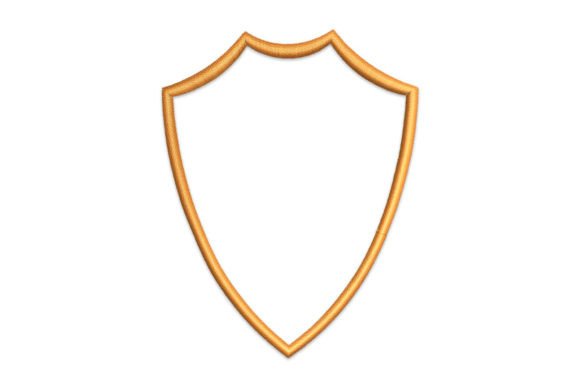
The mood of the Graduation Shield is distinctly academic yet approachable. It does not scream for attention with overly aggressive lines; instead, it offers a clean, composed layout that suggests achievement and pride. For embroidery designers and craft business owners, this visual personality is crucial. You want a design that looks professional on a finished product, whether it is a high-end boutique item or a heartfelt personalized gift.
The shape itself is classic, providing a natural frame for any text or additional elements you might want to incorporate. The detail level appears moderate, which is a sweet spot for most home embroidery machines. It avoids the extreme density that can cause puckering on lighter fabrics while maintaining enough substance to look substantial on heavier materials like denim or twill. When I visualize this stitched out, I see a design that relies on clear satin stitch borders to define the shield’s edge, giving it a crisp, finished look that holds up well over time.
Real-World Application: The Custom Tote Bag Test
To truly evaluate an embroidery file, I always imagine it on a specific product. Let’s consider a custom embroidered tote bag, a staple for any Etsy seller or small shop product during graduation season. Canvas is a forgiving fabric, but it has a distinct texture that can swallow up fine details. The Graduation Shield seems robust enough to stand out against the weave of a cotton canvas tote.
In this scenario, the design would likely serve as the central focal point. I would recommend using a contrasting thread color for the shield’s border to ensure the shape remains visible from a distance. For the interior, perhaps a fill stitch in a school color or a neutral tone would work beautifully. This kind of application turns a simple bag into a memorable keepsake. It is not just a bag; it is a celebration of a milestone. For buyers, this increases the perceived value of the handmade product, making it an ideal choice for holiday gifts or end-of-year presents.
Apparel and Wearable Items
Moving beyond accessories, let’s talk about custom apparel. Sweatshirt embroidery is a massive market for creative entrepreneurs. A hoodie or crewneck sweatshirt provides a large, stable surface area, which is perfect for a shield motif. The Graduation Shield would look excellent centered on the chest or even larger on the back. Because sweatshirts are often made of thicker, looped fabric, the design’s stitch density needs to be sufficient to prevent the fabric from showing through. Based on the visual structure, this design appears to have enough coverage to look solid on fleece or French terry cloth.
However, caution is needed when applying this to thinner fabrics like standard t-shirts. If you plan to use this on a lightweight tee, you must use a proper stabilizer. A cut-away stabilizer is often best for garments that will be washed frequently, as it provides ongoing support to the stitches. Without it, even a well-digitized design can distort after a few cycles in the laundry.
Technical Considerations for Stitching Success
As a reviewer, I must address the technical side of using this machine embroidery design. While the description states it comes with multiple embroidery files, it is vital to check the specific formats compatible with your machine before purchasing. Common formats include PES, DST, and JEF, but compatibility varies. Always confirm this to avoid frustration.
Another critical factor is hoop size. Shields are generally wider than they are tall. Ensure your embroidery hoop can accommodate the width of the design. If you are working with a smaller hoop, you might need to resize the design, but be careful. Resizing can alter the stitch density, potentially making the stitches too close together (causing thread breaks) or too far apart (showing the fabric background). It is always best to test the design on scrap fabric first. This simple step saves time, thread, and material.
Thread color contrast is another element that can make or break the final look. On dark fabric, light threads will pop, but you may need an underlay stitch to prevent the dark fabric from peeking through the lighter top stitches. On light fabric, dark threads provide sharp definition. I recommend creating printable mockups or digital previews in both black and white to see how the design’s shapes hold up without the distraction of color. This helps you assess the clarity of the satin stitch and running stitch elements.
Navigating Challenges: Curves and Corners
One area where shield designs often fail is in the corners and curves. Sharp points can result in thread bunching if the digitizing is not precise. The Graduation Shield appears to have softened edges, which is a smart design choice for machine embroidery. This reduces the risk of needle deflection and thread breaks at tight angles. However, if you are stitching this on a curved surface like a cap, extra care is required. Caps require specialized hooping and often benefit from a stiffer stabilizer to maintain the shape of the design on the structured front panel.
For baby embroidery, such as on a onesie or blanket, ensure that the back of the stitching is smooth. Babies have sensitive skin, and rough stitch backs can be irritating. Using a soft backing or ensuring the bobbin thread is of high quality can mitigate this issue. Always inspect the finished product for any loose threads or rough spots before gifting or selling.
Commercial Viability and Brand Consistency
For those running a craft business or selling on Etsy, consistency is key. The Graduation Shield offers a versatile asset that can fit into various branding styles. Whether you are creating nursery decor, personalized gifts, or boutique merchandise, this design adds a touch of professionalism. It signals to the buyer that care was taken in the selection of the design assets.
Before using this for commercial embroidery projects, verify the license terms. Some digital embroidery files are for personal use only, while others allow for limited commercial use of finished products. Never assume. Check the documentation provided with the download. Using a design incorrectly can lead to legal issues and damage your reputation as a trustworthy seller.
In conclusion, the Graduation Shield is a strong contender for your next embroidery project. It balances aesthetic appeal with technical practicality. By paying attention to fabric choice, stabilizer type, and thread contrast, you can produce a high-quality finished product that delights customers and stands the test of time. Whether you are a hobbyist making a gift for a graduate or a seasoned designer adding to your catalog, this design offers the reliability and charm needed for successful stitching.