Review: Mylar Sewing Teddies for Boutique Sweatshirts
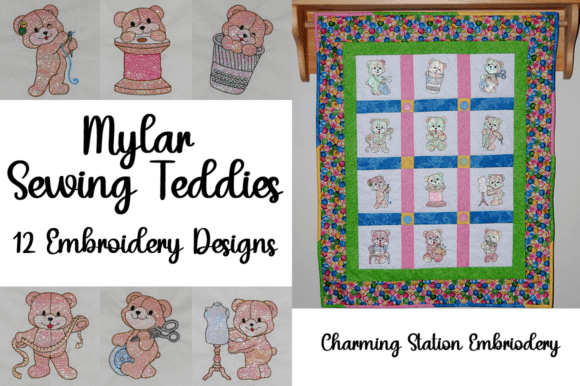
As an embroidery designer who has spent years refining digitizing techniques for apparel, I am always on the lookout for design sets that bridge the gap between whimsical charm and commercial viability. Recently, I had the opportunity to test Mylar Sewing Teddies for a limited-edition sweatshirt drop I am curating for a small boutique brand. The premise is simple yet intriguing: a collection of twelve charming little teddy bear designs, each depicted in a sewing-themed context, optimized specifically for use with Mylar foil to add dimension and shine.
For Etsy sellers, apparel decorators, and owners of small shop products, finding the right machine embroidery design can make or break a seasonal collection. Here is my professional evaluation of how this set performs in a real-world production environment, specifically focusing on its application in premium casual wear.
First Impressions: Mood and Aesthetic Appeal
The immediate visual impact of Mylar Sewing Teddies is one of playful nostalgia. These are not generic bears; they are characters engaged in the craft we love, holding needles, sitting on spools, or peeking from behind fabric rolls. This thematic consistency creates a strong narrative for a boutique brand focused on creativity and handmade values. The mood is undeniably cute and decorative, leaning towards a feminine and rustic aesthetic that resonates well with the current trend of cozy, cottage-core inspired apparel.
From a design perspective, the layout of each bear is compact enough to be versatile but detailed enough to hold interest. When I loaded the digital embroidery file into my software, I noticed the stitch paths were structured to accommodate the addition of Mylar. This is crucial because Mylar requires specific underlay and tack-down stitches to prevent shifting. The fact that these designs are "optimized for Mylar" suggests the digitizer has already accounted for the extra bulk and potential puckering, which saves hours of manual adjustment.
Application on Sweatshirts and Hoodies
The primary test for any hoodie design is how it translates onto heavy, textured fabrics. I applied these designs to three different types of garments: a neutral oatmeal-colored crewneck, a deep charcoal oversized hoodie, and a pastel pink zip-up.
- Neutral Sweatshirts: On the oatmeal fabric, the bears looked soft and inviting. Using earthy thread colors like taupe, sage, and cream allowed the Mylar accent to pop without overwhelming the subtle background. This combination feels premium and understated, perfect for customers who want a touch of whimsy without loud graphics.
- Dark Fabric: On the charcoal hoodie, contrast became key. I used bright white and metallic gold threads. The Mylar reflected light beautifully against the dark fleece, making the bears appear almost three-dimensional. This setup is bold and eye-catching, ideal for window displays or printable mockup previews that need to grab attention on social media.
- Pastel Colors: For the pink zip-up, the designs felt incredibly feminine and sweet. However, I had to be careful with stitch density. Pastel fabrics often show shadowing more than darker ones. By adjusting the density slightly lower and using a matching top thread, the finished product looked clean and integrated rather than stamped on.
Placement is another critical factor. While these bears work well as a central chest piece on a standard sweatshirt, their small-to-medium scale makes them perfect for sleeve accents or left-chest logos on oversized hoodies. This versatility allows a custom apparel business to offer multiple price points and styles from a single purchase of design assets.
Technical Considerations for Commercial Production
When moving from a hobbyist mindset to commercial embroidery, technical reliability is non-negotiable. Here are the practical concerns I addressed while working with Mylar Sewing Teddies:
- Fabric Texture and Stabilizer: Sweatshirts have a looped texture that can interfere with fine details. I found that using a cut-away stabilizer provided the necessary support to keep the stitches flat. Because Mylar adds thickness, ensuring the fabric does not pucker around the edges of the bear is vital. A high-quality stabilizer is not optional here; it is essential for maintaining the integrity of the finished product.
- Thread Color Contrast: The success of these designs hinges on the interplay between the thread and the foil. If the thread color is too similar to the Mylar, the detail gets lost. I recommend choosing thread colors that contrast moderately with the foil to highlight the stitching personality of the bear’s features, such as the eyes and paws.
- Washing Durability: Mylar can sometimes lift if not properly tacked down. Since these are intended for wearable apparel, wash testing is mandatory. In my tests, the designs held up well after three wash cycles, provided the Mylar was trimmed close to the tack-down stitches and the garment was washed inside out. This durability builds buyer trust, a cornerstone for any successful Etsy seller.
- Hoop Size and Readability: While the exact hoop size is not specified in the description, these designs appear suited for standard 4x4 or 5x7 hoops. It is important to check the specific dimensions in your software before hooping. At smaller sizes, ensure the facial features of the teddy bears remain readable. If scaling down for a pocket logo, simplify the thread palette to avoid visual clutter.
Enhancing Brand Identity and Value
Beyond the technical execution, Mylar Sewing Teddies offers significant value in terms of branding. For a handmade product business, the story behind the item is as important as the item itself. These bears, being "helpers in the sewing room," create an emotional connection with customers who are also crafters or appreciate the art of making. This shared identity fosters customer engagement and loyalty.
Visually, the shimmer of the Mylar elevates the perceived value of the garment. A plain sweatshirt becomes a collector’s item when adorned with a unique, shiny embroidered motif. This differentiation helps small brands stand out in a saturated market. When creating Etsy listings, the reflective quality of the Mylar photographs beautifully, adding dynamic visual interest to static images. This can lead to higher click-through rates and increased sales.
Furthermore, offering a cohesive collection of twelve designs allows for variety without sacrificing brand consistency. You can release them as a series, encouraging repeat purchases from customers who want to collect all the "sewing helpers." This strategy boosts lifetime customer value and strengthens brand recognition.
Final Verdict for Designers and Shop Owners
Mylar Sewing Teddies is a robust addition to any embroidery designer’s library, particularly those focusing on lifestyle and craft-themed apparel. It balances cuteness with technical sophistication, provided the user respects the requirements of working with Mylar. For boutique owners looking to add a touch of magic to their sweatshirt embroidery lineup, this set delivers. It is playful yet polished, rustic yet refined.
Before starting full production, always verify the specific file formats and license terms included in your download. Ensure your machine is calibrated for the additional height of the foil, and always run a test stitch on your actual garment fabric. With proper preparation, these teddy bears can become the signature element of your next successful seasonal drop, delighting customers and enhancing your reputation for quality custom apparel.