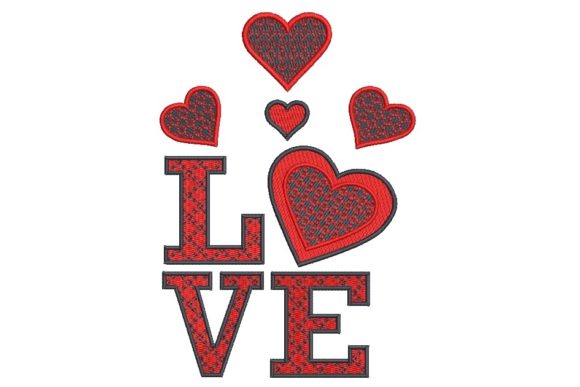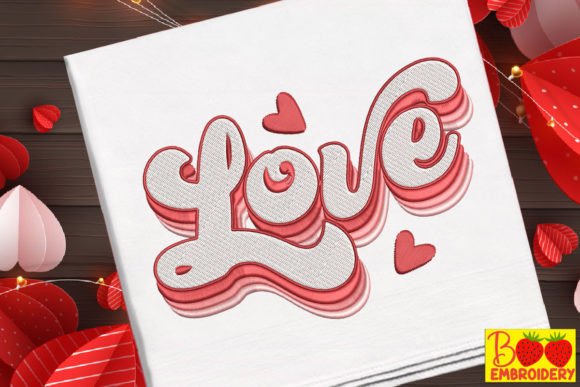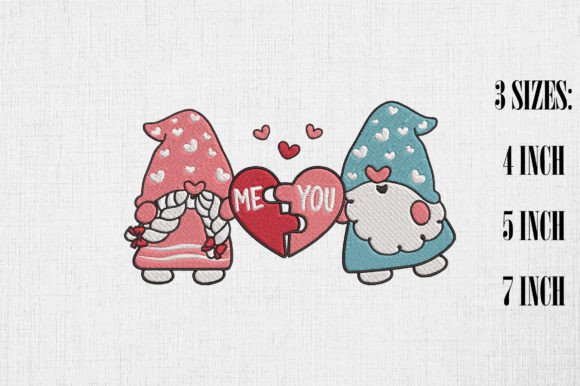
Reviewing Valentine: A Line-Style Embroidery Design for Real Projects
As a designer who spends more time staring at stitch maps than actual fabric, I have learned that the most beautiful digital files do not always translate into the best physical products. When I first opened the Valentine machine embroidery design, my immediate reaction was one of cautious optimism. The preview showed a clean, linear aesthetic that promised versatility, but in our line of work, promises mean nothing until the needle hits the hoop.
This review is not about hype. It is about practical application. I evaluated this design with the mindset of a small business owner and an experienced embroiderer who needs to know if a file will hold up on a sweatshirt, survive a wash cycle, and actually sell in a crowded marketplace like Etsy. Here is my breakdown of how Valentine performs in real-world scenarios.
First Impressions: The Power of Minimalism
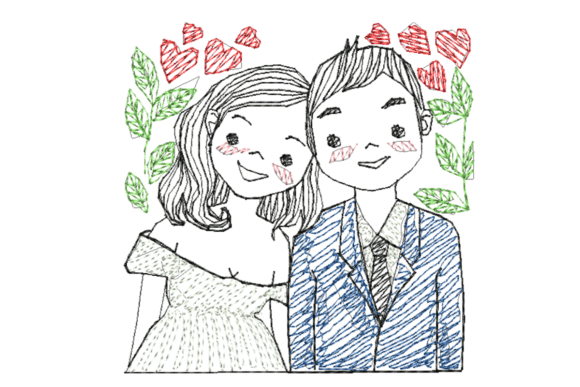
The defining feature of Valentine is its line pattern structure. In a market saturated with dense fill stitches and complex satin borders, a line-based approach feels refreshingly modern. The mood it creates is understated and elegant rather than loud or cartoonish. This visual personality makes it highly adaptable. It does not scream for attention; instead, it invites a closer look.
For embroidery designers, this simplicity is a double-edged sword. On one hand, fewer stitches mean faster production times and less thread consumption. On the other hand, line work demands precision. There is no dense stitching to hide minor registration errors or fabric puckering. The layout relies entirely on the clarity of the running stitch or thin satin columns, meaning your tension settings must be dialed in perfectly.
Real-World Application: From Totes to Tees
To test the viability of this design, I imagined several common commercial projects. The first scenario that came to mind was a custom embroidered tote bag. Canvas is a forgiving fabric, but it has a distinct texture. A line pattern like Valentine works exceptionally well here because it does not fight the weave of the material. Unlike heavy fill stitches that can distort lightweight canvas, this design sits lightly on the surface, maintaining the bag’s structural integrity while adding a personalized touch.
I also considered its use in custom apparel, specifically sweatshirt embroidery. Hoodies and crewnecks are staple items for craft businesses. The linear nature of this design prevents the "stiff patch" effect that customers often complain about with large, dense logos. When stitched on fleece or cotton blends, Valentine retains flexibility, making the garment comfortable to wear. For baby embroidery projects, such as onesies or burp cloths, the low stitch density is a significant advantage. It reduces bulk against sensitive skin, which is a major selling point for parents looking for high-quality handmade products.
Navigating Fabric Challenges
While Valentine is versatile, it is not without its limitations. As an experienced reviewer, I must highlight where this design requires careful handling. Line patterns can disappear on textured fabrics if the thread color does not provide enough contrast. If you are working with dark fabric, such as navy or black, you must choose high-visibility thread colors. A subtle pastel thread on a dark background might get lost in the shadows of the fabric texture.
Stretchy fabric presents another challenge. When embroidering on jersey knits or athletic wear, the lack of dense underlay in a simple line design can lead to distortion if the stabilizer is not robust enough. I recommend using a cut-away stabilizer for these applications to ensure the lines remain crisp and do not warp after washing. Additionally, on curved surfaces like caps, the linear elements must be aligned carefully to avoid visual distortion. A slight tilt in the hoop can make a straight line look wavy, so precise hooping is non-negotiable.
Commercial Value and Brand Consistency
For Etsy sellers and boutique owners, the aesthetic of your design assets directly impacts perceived value. Valentine offers a professional, minimalist look that aligns well with current trends in home decor and fashion. It fits seamlessly into a brand identity that values cleanliness and sophistication. Whether used for holiday embroidery during February or as a year-round romantic motif, the design maintains its relevance.
The visual appeal of this design lies in its clarity. Customers appreciate when they can see the detail in a product photo. A cluttered design often looks like a blob in thumbnail images, but the distinct lines of Valentine read clearly even on small screens. This enhances buyer engagement and trust, as the customer knows exactly what they are purchasing. For those creating printable mockups or digital product previews, this design is easy to visualize on various items, from aprons to pillow covers.
Practical Notes for the Embroiderer
Before you commit to a full production run, there are several steps you should take. First, always test the design on scrap fabric that matches your final project material. Check the stitch density and adjust your machine tension if necessary. Since this is a line pattern, pay close attention to the start and stop points of the stitching to minimize jumps and trims.
Review the embroidery file formats provided. The description notes that Valentine comes with multiple embroidery file formats, which is essential for compatibility across different machine brands. However, always verify the specific hoop size required. The pattern is designed to fit within a specific hoop, and scaling it beyond its intended dimensions can compromise stitch quality. If you plan to use this for commercial embroidery, confirm the licensing terms. While many designs allow for finished product sales, some restrict the resale of the digital embroidery file itself.
Finally, consider your thread choices. A matte rayon or polyester thread often looks better with line work than shiny metallic threads, which can obscure the definition of the pattern. Test your design in black and white mockups to ensure the contrast holds up regardless of color scheme.
Final Verdict
Valentine is a solid addition to any designer’s library, particularly for those focusing on modern, minimalist handmade products. It excels in applications where comfort and subtlety are prioritized over boldness. While it requires attention to detail regarding fabric choice and stabilization, its versatility across tote bags, apparel, and home goods makes it a reliable tool for small shop products. If you are looking for a design that balances efficiency with elegance, this pattern deserves a spot in your next embroidery project.