Sheep Shepherd: A Designer’s Review for Holiday Embroidery
When I first pulled up the Sheep Shepherd design on my screen, I wasn’t looking for just another festive motif. As a designer who spends hours tweaking digitizing paths and testing thread tensions, I look for balance. Does the composition breathe? Will the stitch density hold up on a textured towel without puckering? Is this something a customer will actually want to wear or gift? This machine embroidery design immediately struck me as a piece that bridges the gap between traditional holiday charm and modern, clean aesthetics.
First Impressions and Visual Personality
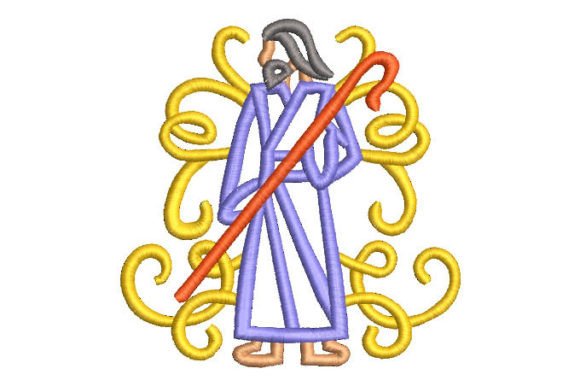
The mood of Sheep Shepherd is gentle and nostalgic. It doesn’t scream for attention with neon colors or overly complex shading. Instead, it relies on strong silhouettes and clear line work. For an embroidery project, clarity is king. If the details are too small or the stitch count is too high in a confined area, the final product looks muddy. This design appears to respect the limitations of the needle and thread.
I appreciate how the layout feels intentional. Whether you are using a satin stitch for outlines or a fill stitch for the body of the sheep, the transition between elements seems smooth. This is crucial when you are working with a variety of fabrics. A design that looks good on a digital mockup can fail miserably on a fuzzy fleece if the digitizing isn’t robust. Sheep Shepherd seems built to withstand real-world application, making it a reliable asset for your design library.
Real-World Application: The Custom Tote Bag Test
To truly evaluate a design, you have to imagine it on a physical product. Let’s say you are preparing a batch of custom tote bags for a local craft fair or your Etsy shop. Canvas is a forgiving fabric, but it has a distinct texture. I visualized Sheep Shepherd stitched onto a natural cotton canvas bag. The rustic theme of a shepherd and sheep pairs perfectly with the organic feel of the material.
In this scenario, the design acts as a focal point. It’s not so large that it overwhelms the bag, but it’s detailed enough to show craftsmanship. For an Etsy seller, this kind of imagery sells because it tells a story. It evokes feelings of warmth, care, and tradition. When a customer sees this embroidered tote, they aren’t just buying a bag; they are buying into a handmade aesthetic that feels personal and thoughtful. This is where the value of a well-digitized embroidery file becomes apparent—it elevates a simple commodity into a boutique product.
Versatility Across Product Lines
Beyond tote bags, this design has legs. Consider sweatshirt embroidery. A crewneck sweatshirt provides a large, stable surface area. Here, you might scale up the design slightly to ensure visibility from a distance. The Sheep Shepherd motif works beautifully on the left chest for a subtle branding effect or centered on the back for a statement piece. Because the design likely uses a mix of running stitches and fills, it remains flexible enough to adapt to different hoop sizes without losing its integrity.
For baby embroidery, such as onesies or burp cloths, the softness of the theme is a major selling point. Parents love pastoral, gentle imagery for nurseries and newborn gifts. However, you must be cautious with stitch density on delicate baby fabrics. Always use a proper stabilizer, preferably a cut-away for items that will be washed frequently, to prevent the fabric from distorting under the weight of the threads.
Technical Considerations for Professional Results
As much as we love the artistic side, the technical execution determines whether a product returns or becomes a bestseller. When working with Sheep Shepherd, keep these practical notes in mind:
- Fabric Texture: This design is described as working well with any type of fabric, but results vary. On terrycloth towels, use a topping to prevent stitches from sinking into the pile. On stretchy knits, ensure your stabilizer is sufficient to counteract the pull of the thread.
- Thread Color Contrast: Test your thread choices. A monochromatic look can be sophisticated, but ensure there is enough contrast between the shepherd, the sheep, and the background. If you are stitching on dark fabric, consider using lighter threads or adding a backing layer to make the design pop.
- Hoop Size and Placement: Before committing to a final product, check the dimensions of the embroidery file against your hoop size. If you are working on curved surfaces like caps, ensure the design isn’t too wide, which can cause distortion during stitching.
- Stitch Density: Review the stitch density in your software if possible. High density can lead to stiffness, which is undesirable for apparel. If the design feels too dense, you might need to adjust settings or choose a thicker thread to achieve coverage with fewer stitches.
Navigating Challenges and Best Uses
While Sheep Shepherd is versatile, it is not without its constraints. Avoid using it on extremely thin or sheer fabrics without extensive stabilization, as the perforation from the needle holes can become visible. Also, be mindful of tiny details. If the design includes fine lines or small text, ensure your machine is calibrated correctly. A slight tension issue can turn a crisp line into a looped mess.
For Christmas projects, this design fits naturally into the "winter pastoral" trend. It’s less about Santa and more about the quiet beauty of the season. This makes it ideal for customers who prefer understated holiday decor. Think embroidered pillow covers for a cabin-style living room or kitchen towels for a farmhouse aesthetic. These items have high giftability and appeal to buyers looking for timeless rather than trendy.
Commercial Viability and Brand Consistency
For small business owners and craft entrepreneurs, consistency is key. Using a high-quality digital embroidery file like Sheep Shepherd helps maintain a professional standard across your product line. When your stitching is clean and the design is well-balanced, it builds trust with your customers. They begin to associate your brand with quality and attention to detail.
Before selling finished items or digital products, always confirm the licensing terms. Most designers allow commercial use for finished physical goods, but restrictions may apply to reselling the digital file itself. Check the specific license included with your purchase. Additionally, creating printable mockups or digital previews for your online store can help gauge interest before you commit to large production runs.
In conclusion, Sheep Shepherd is a solid addition to any embroiderer’s toolkit. It offers a blend of charm and technical reliability that suits a wide range of applications, from personalized gifts to commercial merchandise. By paying attention to fabric choice, stabilization, and thread contrast, you can ensure that every stitch enhances the natural beauty of this design. Whether you are a hobbyist making holiday gifts or a seasoned Etsy seller expanding your winter collection, this design deserves a spot in your next embroidery project.