Carrot Embroidery Design Review: A Practical Look
As an embroidery designer who spends hours digitizing and testing files, I have learned that the simplest designs often present the biggest challenges. When I first encountered the Carrot machine embroidery design on Creative Fabrica, my initial reaction was one of cautious optimism. The preview images suggested a clean, playful aesthetic that fits perfectly within the popular Food category. However, a pretty thumbnail does not always translate to a smooth stitching experience. I decided to put this embroidery file through its paces to see if it holds up under the scrutiny of real-world production.
First Impressions and Visual Appeal
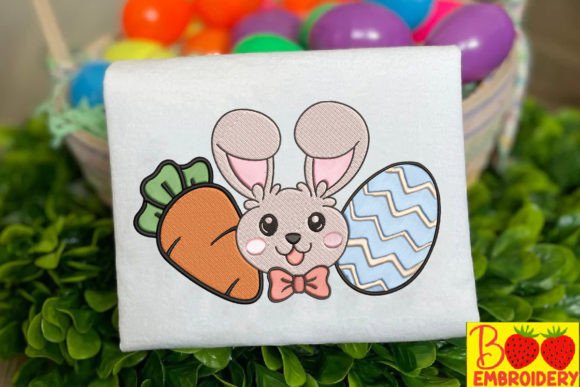
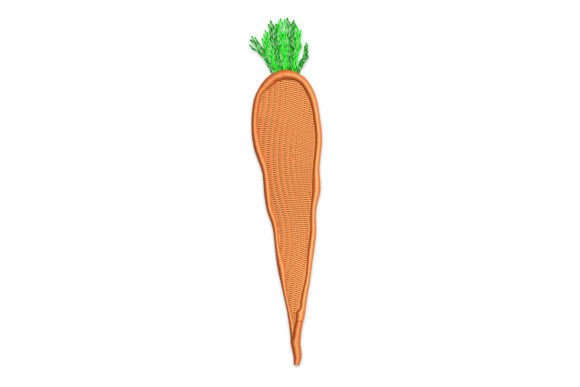
The visual mood of this Carrot design is undeniably cheerful. It captures that rustic, handmade charm that customers love on kitchen textiles and nursery decor. The lines appear crisp, suggesting a balance between detail and stitch efficiency. For those of us who sell handmade products, visual appeal is the first hook. This design offers a decorative appeal that feels modern yet timeless, avoiding the overly complex shading that can sometimes look muddy when stitched out on textured fabrics.
What stands out immediately is the versatility. While it is categorized under Food, its application extends far beyond a literal representation of a vegetable. It serves as a charming accent for spring-themed collections, Easter gifts, or even as part of a larger garden-inspired series. The simplicity of the shape means it relies heavily on execution. There is no place for poor tension or messy bobbin work to hide here.
Real-World Application and Project Suitability
I evaluated this design with several specific projects in mind. Here is how I envision it performing across different mediums:
- Kitchen Textiles: This is the most natural fit. Imagine this carrot embroidered on the corner of a linen napkin or centered on a cotton kitchen towel. The scale seems appropriate for standard hand towels, adding a touch of whimsy without overwhelming the fabric.
- Custom Apparel: For sweatshirt embroidery, this design could work well on the left chest area. It is small enough to be subtle but distinct enough to be noticed. On a tote bag design, it could serve as a standalone motif or be repeated in a pattern for a more dynamic look.
- Nursery Decor: Parents love organic, food-themed motifs for baby items. This could be stitched onto a muslin swaddle blanket or a felt banner. However, one must be mindful of the stitch density to ensure the fabric remains soft against sensitive skin.
- Embroidered Patches: If you are creating iron-on or sew-on patches, this shape is ideal. It cuts cleanly and allows for creative border options, such as a satin stitch edge or a simple running stitch outline.
For Etsy sellers and small business owners, having a reliable digital embroidery file like this in your asset library is crucial. It allows for quick turnaround times on personalized gifts. You can easily pair it with monograms or names, provided the lettering style complements the playful nature of the carrot.
Technical Considerations for Stitching
Before loading this into your machine, there are several technical factors to consider. The product description mentions that this machine embroidery design comes with multiple e, which likely refers to multiple sizes or formats. This is a significant advantage. Having various hoop size options ensures you can choose the best fit for your project, whether you are working with a 4x4 inch hoop for patches or a larger frame for aprons.
Fabric and Stabilizer Choice
The success of any embroidery project hinges on stabilizer selection. For stretchy fabrics like jersey knit used in custom apparel, a cut-away stabilizer is non-negotiable to prevent distortion. For woven cottons used in kitchen towels, a tear-away might suffice, but I always recommend testing first. If you are stitching on dark fabric, pay close attention to thread colors. A bright orange thread will pop against navy or black, but ensure your underlay stitches are sufficient to prevent the background fabric from showing through the fill stitch areas.
Stitch Density and Detail
Simple designs can sometimes suffer from low stitch density, leading to gaps in the coverage. Conversely, too much density can cause puckering. Since I cannot verify the exact stitch count from the listing alone, I advise downloading the design and running a simulation in your embroidery software. Check for any unusually long jumps or dense clusters that might cause thread breaks. If the design uses a satin stitch for the outline, ensure your machine is properly threaded to achieve that glossy, professional finish.
Curved Surfaces and Caps
Stitching on curved cap surfaces requires careful hooping. This carrot design, being relatively compact, should handle the curvature of a baseball cap well. However, avoid placing it too close to the seam or the edge where the hoop pressure might distort the shape. Use a strong backing and consider using a topping if you are working with textured caps like corduroy or twill.
Enhancing Product Value and Brand Consistency
Using high-quality design assets like this Carrot embroidery can significantly impact your brand perception. When customers receive a finished product that looks neat and professional, their trust in your shop increases. Clean stitching leads to better product photography, which in turn drives engagement on social media and marketplaces.
For boutique merchandise, consistency is key. If you establish a signature style using simple, cute food motifs, this design fits seamlessly into that narrative. It allows you to create cohesive collections, such as a "Garden Party" line featuring carrots, radishes, and herbs. This thematic approach helps in marketing your handmade gifts as curated sets rather than isolated items.
Final Verdict and Practical Advice
Is the Carrot design worth downloading? Based on its visual potential and versatility, yes. It is a solid addition to any embroidery designer’s library, particularly for those focusing on home decor and children’s items. However, as with any digital embroidery file, due diligence is required.
- Test on Scrap Fabric: Never stitch directly on your final product. Run a test on a similar material to check for puckering or thread breaks.
- Check File Details: Verify the included formats match your machine. Confirm the licensing terms on the Creative Fabrica product page before selling finished items. Most commercial embroidery licenses allow for physical sales, but always double-check.
- Inspect Small Details: After stitching, inspect the tips of the carrot leaves and the root end. These fine details are where poor digitizing often shows up. If they look jagged, you may need to adjust your tension or use a finer needle.
- Mockup Comparison: Create printable mockups or digital previews to see how the design looks on both light and dark backgrounds. This helps in planning your thread inventory and marketing materials.
In conclusion, this Carrot embroidery design offers a charming, practical solution for creators looking to add a touch of whimsy to their work. By paying attention to stabilizer choice, thread contrast, and hoop selection, you can transform this simple digital file into a high-value handmade product. Whether you are decorating aprons, creating nursery art, or selling embroidered patches, this design has the potential to become a staple in your portfolio.