Cute Pink Cherry: A Craft Fair Best Seller Review
As an embroidery designer who has spent countless weekends behind a booth table, I have learned that not all designs are created equal when it comes to retail success. Some designs are beautiful but too subtle for a busy market aisle, while others are so complex they take hours to stitch, eating into profit margins. Today, I am reviewing Cute Pink Cherry, a machine embroidery design that promises to make any fabric look sweet and modern. After testing it across various substrates and imagining its place in a high-traffic craft fair environment, I have formed a clear opinion on its commercial viability.
First Impressions and Visual Appeal
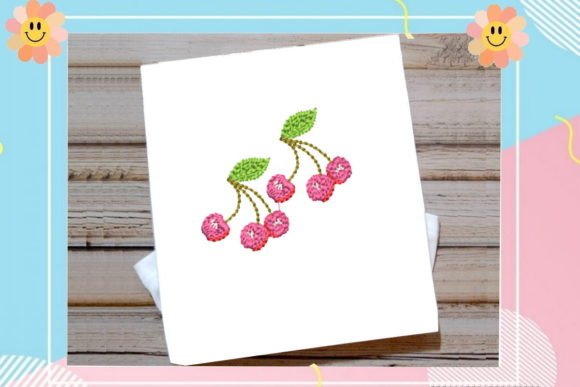
The moment you load the embroidery file and see the preview, the vibe is unmistakable. This is not a rustic, farmhouse-style botanical sketch, nor is it a hyper-realistic fruit study. Instead, Cute Pink Cherry leans heavily into a modern, playful aesthetic. The use of pink suggests softness and approachability, which is crucial for impulse buys at a handmade market. In the world of Food themed Embroidery, cherry motifs can sometimes feel retro or kitschy, but this design manages to feel fresh. It captures attention without being overwhelming, striking a balance between decorative charm and minimal elegance.
For a craft fair product, immediate recognition is key. Customers walking past your booth have seconds to decide if they should stop. A clear, cute cherry motif communicates joy and sweetness instantly. It feels like a small shop product that has been curated with care, rather than mass-produced merchandise. This emotional connection is what drives sales in the handmade sector.
Product Versatility and Application
The true test of any digital embroidery file is how well it translates across different items. I evaluated Cute Pink Cherry on several potential handmade product categories to determine where it shines brightest.
- Tote Bag Design: This is arguably the strongest application. A medium-sized hoop placement on a canvas tote allows the cherry to be the focal point. It transforms a basic bag into a statement piece that appeals to students, shoppers, and eco-conscious buyers.
- Apron Embroidery: For kitchen-themed booths, this design is a winner. Placed on the bib or the lower corner of a linen apron, it adds a pop of color that complements cooking and baking themes perfectly.
- Tea Towel Embroidery: While charming, caution is needed here. Tea towels often have a loose weave. If the stitch density is too low, the fabric might show through. However, if the design is optimized, it makes for an excellent giftable item.
- Embroidered Patch: Creating iron-on or sew-on patches is a fantastic way to utilize this design. Patches allow customers to customize their own jackets or bags, increasing engagement at your booth.
- Caps and Hats: Curved surfaces are tricky. If the design is too wide, it may distort on a cap front. It works best as a small accent on the side or back of a hat, rather than a large central logo.
Production Practicality for Sellers
From a business perspective, Cute Pink Cherry scores high on repeatability. For Etsy seller accounts and boutique makers, batch production is essential. The design appears straightforward enough to stitch out quickly, minimizing machine time per unit. This efficiency allows you to price your finished product competitively while maintaining healthy margins.
Photography is another critical factor. This design photographs exceptionally well for online listings. The contrast of pink thread against white, cream, or denim backgrounds creates clean, bright images that perform well on social media and marketplaces. Whether you are creating a printable mockup for digital previews or shooting real-life photos, the simplicity of the cherry shape ensures it remains clear even in thumbnail views.
Careful-Use Notes and Technical Considerations
While the design is user-friendly, there are technical aspects to consider before launching your commercial embroidery line. Always check the specific details of the file regarding hoop size and stitch count, as these were not explicitly provided in the initial description. Here are some practical warnings based on general embroidery principles:
- Fabric Texture: On textured towels or thick denim, ensure your needle is sharp enough to penetrate without breaking. The design must have sufficient density to stand out against rough textures.
- Dark Fabric: If stitching on black or navy fabric, you may need to adjust thread colors or add an underlay to prevent the fabric color from dulling the pink vibrancy.
- Small Details: If scaling the design down for small pouches or jewelry rolls, verify that tiny details do not become lost. Small lettering or fine lines can merge if the scale is too reduced.
- Stabilizer Choice: Use the right stabilizer for your fabric. Cut-away stabilizer is best for stretchy fabrics like t-shirts, while tear-away works for stable wovens like cotton tote bags.
Enhancing Brand Consistency and Booth Display
Incorporating Cute Pink Cherry into your product line can strengthen your brand identity if you position it correctly. It suggests a brand that is youthful, cheerful, and attentive to detail. When arranging your booth display, group items featuring this design together. A cluster of cherry-embroidered tote bags, paired with matching pouches and patches, creates a cohesive visual block that draws the eye.
This consistency helps with buyer engagement. Customers are more likely to purchase multiple items if they see a theme. For example, a customer might buy a tote bag and then add a matching patch for their jacket. This upsell strategy relies on the versatility of the design assets you choose.
Final Designer Recommendations
Before you commit to full-scale production, follow these steps to ensure quality control. First, always test the design on scrap fabric identical to your final product material. Check the thread contrast and inspect the back of the embroidery for excessive buildup or loose threads. Second, confirm the commercial licensing terms. While many machine embroidery design creators allow finished product sales, it is vital to read the license agreement to ensure you are compliant.
Create at least one real mockup to gauge the physical presence of the design. Does it look premium? Does it feel durable? Compare different fabric colors to see which combination makes the pink pop the most. Finally, remember that while Cute Pink Cherry is a strong contender for sales, its success depends on your execution. High-quality stitching, neat trimming, and professional presentation will turn this simple design into a best-selling craft fair product.
In conclusion, Cute Pink Cherry is a versatile, market-ready design that balances aesthetic appeal with production efficiency. It is particularly well-suited for tote bags, aprons, and patches, making it a valuable addition to any embroidery business owner’s library. By paying attention to fabric choice and stabilizer selection, you can leverage this design to create standout handmade gifts that resonate with customers looking for sweetness and modern style in their everyday items.