Cat Runs After Duck: A Designer’s Review for Craft Fair Success
As an embroidery designer who has spent countless weekends behind a booth table, I know that the difference between a browser and a buyer often comes down to split-second visual impact. When I first loaded the Cat Runs After Duck machine embroidery design into my software, my immediate reaction was one of delight mixed with strategic calculation. This isn’t just a cute image; it is a potential bestseller for the right product mix. In the world of Baby Animals and Embroidery, charm is currency, but clarity is king. Let’s break down why this specific design deserves a spot in your next production run.
First Impressions and Visual Appeal
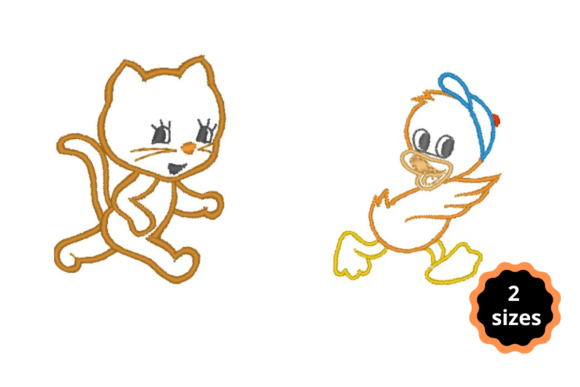
The title alone suggests movement and narrative. Unlike static portraits, Cat Runs After Duck implies a story, which is incredibly engaging for customers walking past a craft fair display. The description promises an "extraordinary look" and a "lovely embroidery design," setting expectations for a high-quality aesthetic. From a design perspective, this piece feels playful, whimsical, and universally appealing. It avoids being overly rustic or strictly modern, landing comfortably in a sweet spot that works for nurseries, kitchens, and casual accessories alike.
For an Etsy seller or small shop owner, this visual versatility is crucial. The design does not scream "seasonal," meaning it can sell year-round. Whether you are aiming for a farmhouse vibe with linen textures or a bright, modern pop with vibrant cottons, the subject matter adapts seamlessly. It feels like a premium addition to any collection of handmade products because it evokes emotion—specifically, joy and nostalgia.
Strategic Product Placement for Maximum Sales
When preparing a table display, context is everything. I evaluated where Cat Runs After Duck would perform best among typical craft fair staples. Here is how it stacks up across different mediums:
- Tote Bags and Market Bags: This is arguably the strongest application. A tote bag offers a large, flat canvas where the action of the cat chasing the duck can be fully appreciated. As a tote bag design, it becomes a statement piece that customers can wear proudly.
- Apron Embroidery: Kitchen aprons are consistent sellers. Placing this design on the bib or lower corner adds personality to a functional item. It transforms a standard utility item into a giftable handmade product.
- Tea Towel Embroidery: For a smaller accent, tea towels are excellent. However, you must ensure the design scales down without losing detail. If the design includes fine lines, test thoroughly on textured terry cloth to ensure stitches don’t sink into the fabric texture.
- Embroidered Patches: Patches are low-commitment purchases for browsers. If the design holds up at a smaller scale, it becomes an impulse buy favorite. Ensure the edges are clean and the stitch density supports cutting if you are making iron-on or sew-on patches.
- Caps and Pillows: Curved surfaces like caps require careful hooping. The design should be centered carefully to avoid distortion. For pillow covers, it serves as a charming focal point that enhances home decor appeal.
Production Practicality and Batch Efficiency
For those of us running a business, time is money. The description notes that this digital embroidery file comes with "multiple embr," which likely refers to multiple formats or sizes. This is a significant advantage for commercial embroidery. Having various sizes allows you to adapt the same asset for a large wall hanging or a small pouch without manually resizing and risking quality loss.
When considering batch production, ask yourself: Is this design repeatable? Yes. The shapes appear distinct enough that they should stitch out consistently across multiple items. However, you must verify the stitch density. High-density areas can cause puckering on lightweight fabrics, while low-density areas might show the background fabric too much on dark materials. Always create a printable mockup before committing to a full batch of finished products to visualize placement and color contrast.
Careful-Use Notes and Technical Considerations
While Cat Runs After Duck is adorable, technical pitfalls can ruin a good design. Here are critical factors to review before you start stitching:
- Fabric Texture: Textured towels or thick denim can swallow small details. If the duck’s features or the cat’s whiskers are thin satin stitches, they may disappear on plush fabrics. Use a cut-away stabilizer for stretchy or textured materials to maintain shape.
- Thread Colors: Contrast is vital. If you stitch a light-colored cat on a cream tote, it will vanish. Choose thread colors that pop against your base fabric. Test combinations on scrap fabric first.
- Hoop Size: Confirm the hoop size required for the largest version of the design. Ensure your machine and your product (like a structured cap) can accommodate that hoop. Never guess; measure twice.
- Small Lettering and Details: If the design includes any text or tiny facial features, inspect them closely at 100% zoom in your software. Tiny details often break or look messy if the needle penetration is too high for the thread weight.
- Dark Fabric Challenges: Stitching light designs on dark fabric requires proper underlay stitches to prevent the background from showing through. Check if the design assets include adequate underlay for dark garments.
Enhancing Brand Consistency and Buyer Engagement
Incorporating Cat Runs After Duck into your lineup strengthens your brand if you specialize in whimsical or animal-themed items. It signals to customers that you offer unique, narrative-driven art rather than generic clipart. For booth display strength, use this design on your most visible item—perhaps a large tote or a framed sample—to draw people in. Once they stop for the cute cat, they are more likely to browse your other small shop products.
Photography plays a huge role here. This design photographs well because it has clear subjects. Use natural light to highlight the sheen of the threads. For online listings, include close-ups of the stitch quality to prove the value of your handmade product. Mentioning that it is a licensed commercial embroidery design in your listing can also reassure buyers of the professionalism behind your work.
Final Designer Verdict
Before you launch this into your store, take the necessary precautions. Test the design on scrap fabric identical to your final product. Check thread contrast, review spacing, and confirm the license terms. The description mentions it comes with multiple formats, but always double-check if the license allows for unlimited physical sales or if there are restrictions. Assuming the license permits commercial use, Cat Runs After Duck is a strong contender for your next collection. It balances cuteness with commercial viability, offering a versatile asset that can elevate tote bags, aprons, and gifts alike. With proper attention to stabilizer choice and fabric texture, this design can become a staple in your embroidery business, driving both foot traffic at fairs and clicks on your Etsy shop.