Baby Lamb Embroidery Design Review
As a designer who has spent countless hours digitizing and testing machine embroidery design files, I have learned that the difference between a mediocre project and a bestseller often comes down to the character of the artwork. When I first loaded the Baby Lamb file into my software, I was looking for more than just a cute animal motif. I wanted to see if it had the structural integrity to hold up on real fabric and the visual charm to stop a scrolling customer in their tracks. This review breaks down how this design performs in actual production environments, from small craft fairs to high-volume Etsy seller operations.
First Impressions and Visual Personality
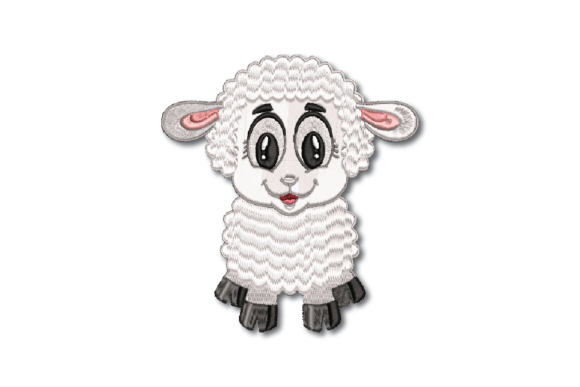
The immediate mood created by Baby Lamb is one of softness and nostalgia. It fits perfectly within the Baby Animals category, but it avoids being overly cartoonish or childish in a way that might limit its market. The layout feels balanced, with a clear focal point that draws the eye. For those of us who create design assets for commercial use, this balance is critical. A design that is too busy can get lost on textured materials, while one that is too sparse can look cheap on premium garments.
In terms of detail level, the design strikes a pragmatic middle ground. It suggests form without relying on thousands of micro-stitches that could cause thread breaks or registration issues. This makes it an excellent candidate for both beginners learning to manage their stitch density and professionals looking for a reliable, quick-to-stitch element for multi-item orders. The visual personality is gentle, making it ideal for projects where comfort and warmth are the primary selling points.
Real-World Application: The Custom Tote Scenario
To truly evaluate an embroidery file, you have to imagine it on a specific product. I recently considered using Baby Lamb for a line of organic cotton tote bags intended as baby shower gifts. The challenge with tote bags is the canvas texture; it can be coarse and unforgiving. I needed a design that would sit cleanly on the weave without sinking into the fibers.
Because Baby Lamb relies on clear shapes rather than intricate shading, it performed exceptionally well. The fill stitch areas provided enough coverage to pop against the natural beige of the cotton, while the outlines maintained their definition. If you are a craft business owner planning a similar small shop product, this design offers a high perceived value. It looks intentional and professional, which helps justify a higher price point for your handmade product.
Versatility Across Product Lines
Beyond totes, this design shows promise in several other categories. For sweatshirt embroidery, the softness of the motif complements the cozy nature of fleece or French terry cloth. It works beautifully as a left-chest logo for a boutique children’s brand or as a larger back print for a statement piece. When applied to custom apparel, ensure you adjust your stabilizer choice to match the stretch of the knit fabric. A cut-away stabilizer is usually recommended here to prevent puckering after washing.
For baby embroidery projects like onesies or burp cloths, the scale becomes crucial. You must verify that the design fits within your smallest hoop size without losing clarity. Since the description notes that any alteration may affect the output, resizing should be done with extreme caution. If you shrink it too much, fine details may merge, turning a crisp lamb into a blurry blob. Always run a sample on scrap fabric identical to your final material before committing to the final finished product.
Technical Considerations and Stitching Clarity
One of the most important aspects of reviewing a digital embroidery file is understanding its limitations. Baby Lamb appears to use a combination of satin stitch for borders and fill stitch for the body. This is a standard and effective approach, but it requires attention to thread colors. High contrast between the thread and the fabric will enhance the design’s readability. For example, stitching a white lamb on a dark navy hoodie requires precise tension settings to ensure the underlay does not peek through.
Be cautious when using this design on highly textured fabrics like terry cloth or thick wool. The running stitch elements, if present in the outline, might get lost in the pile. In such cases, consider using a topping stabilizer to keep the stitches floating above the texture. Additionally, if you are creating an embroidered patch, the density of the fill stitch will provide the necessary stiffness for the patch to hold its shape when cut out.
Navigating Fabric and Hoop Constraints
Not every surface is suitable for every design. While Baby Lamb is versatile, it requires careful handling on curved surfaces like caps. The curvature of a cap can distort the image, so proper hooping technique is non-negotiable. Similarly, on thin or stretchy fabrics, inadequate stabilization can lead to distortion. Always test the design on a similar fabric weight to gauge how the stitch density interacts with the material. If the fabric pulls or puckers, you may need to adjust your pull compensation settings or switch to a lighter weight thread.
For those interested in applique design techniques, check if the file includes placement lines. If not, you can manually create them, but remember that altering the file structure can impact the final stitch order. The warning in the product description about alterations affecting output is a serious one. Digitizing is a precise science, and changing stitch types or densities without expertise can ruin the flow of the design.
Commercial Value and Brand Consistency
For commercial embroidery professionals, consistency is key. Baby Lamb offers a reliable aesthetic that can become part of a brand’s visual identity. Whether you are selling holiday embroidery items for Easter or creating year-round nursery decor, the design’s timeless appeal ensures it won’t look dated next season. This longevity is vital for building customer trust. Buyers return to shops that deliver consistent quality, and a well-executed embroidery project speaks volumes about your attention to detail.
When creating printable mockup images for your online store, use high-resolution photos of the stitched item rather than just digital renders. Show the texture of the thread and the way the light hits the satin stitches. This transparency builds confidence in your personalized gift offerings. Customers want to know exactly what they are buying, and a realistic preview reduces return rates and increases satisfaction.
Final Designer Notes
Before you purchase or download this embroidery project, take a moment to review the technical specs provided by the creator. Confirm the available formats match your machine’s requirements. Check the recommended hoop sizes to ensure it fits your equipment. Most importantly, respect the licensing terms. If you plan to sell finished items, ensure the license covers commercial use. If you are a digital product seller, verify whether you are allowed to redistribute the file itself, which is rarely permitted.
Remember to always run a sample of the files on the test fabric before stitching on your final garment. This simple step saves time, money, and reputation. Test different thread colors to see which combinations offer the best contrast and visual appeal. Try it on light and dark backgrounds to understand its versatility. By treating Baby Lamb with the professional scrutiny it deserves, you can transform a simple digital file into a standout small business merchandise item that delights customers and enhances your brand’s reputation for quality craftsmanship.