Cute Leaf Border: A Designer’s Review for Craft Fairs
As an embroidery designer who has spent countless hours tweaking digitizing settings and even more hours standing behind a booth at local markets, I know that not every machine embroidery design is created equal. Some designs look stunning on a screen but fail to capture attention in person. Others are so dense they break needles or pucker fabric beyond repair. Today, I am reviewing the Cute Leaf Border, a design that promises to make any fabric look sweet and modern. I approached this review with my craft fair hat on, asking the critical questions: Will this sell? Is it practical to produce in batches? And does it hold up under the scrutiny of a handmade product buyer?
First Impressions: Sweet, Modern, and Versatile
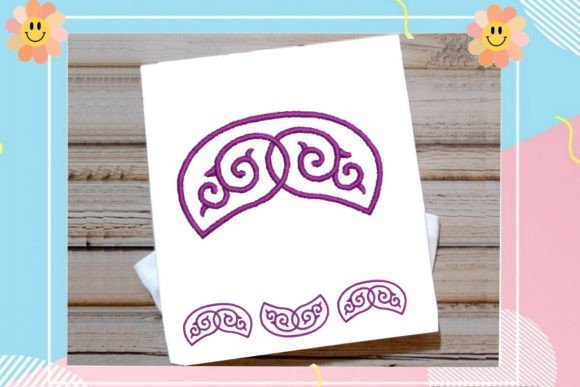
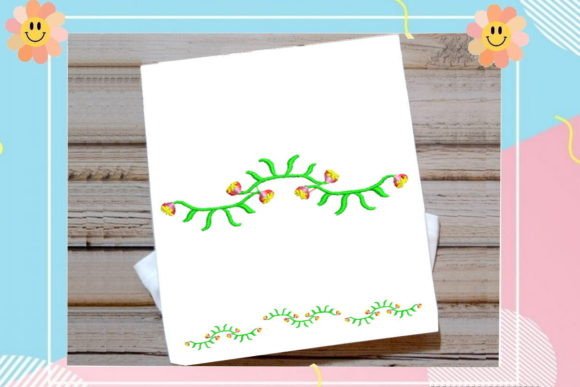
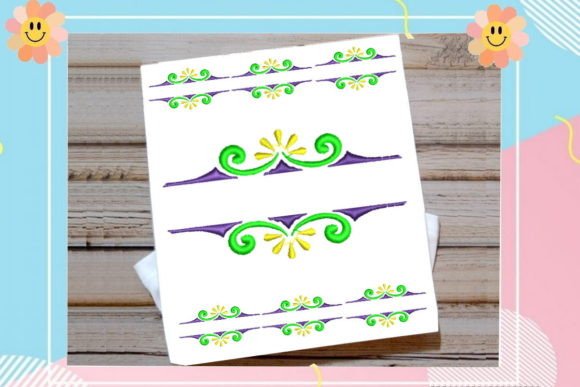
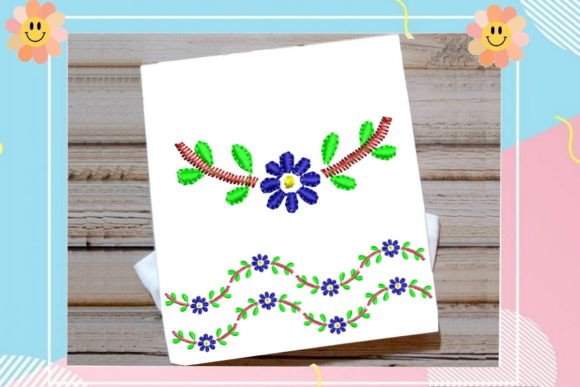
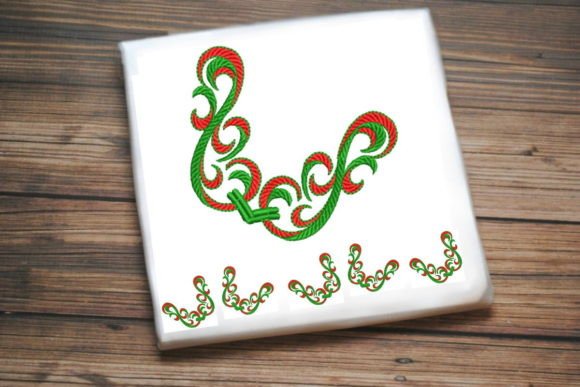
The first thing that strikes me about the Cute Leaf Border is its aesthetic balance. The title suggests something playful, and the description confirms it aims for a "sweet and modern" vibe. In the world of Borders and Embroidery, finding a design that isn’t overly rustic or aggressively floral can be challenging. This design feels approachable. It doesn’t scream "farmhouse" so loudly that it alienates modern buyers, nor is it so minimal that it gets lost on a busy market table. It sits comfortably in that lucrative middle ground where contemporary crafters and traditional gift-buyers overlap.
For a craft fair product, immediate visual appeal is everything. Customers walking past your booth have seconds to decide if they will stop. A border design like this offers a clean line that draws the eye across the item, whether it is a tote bag or a tea towel. It feels decorative without being overwhelming, which is key for items meant to be used daily.
Product Applications: Where This Design Shines
When planning my inventory for a weekend market, I always think about versatility. The Cute Leaf Border is particularly strong when applied to flat or slightly curved surfaces. Here is how I envision using it across different small shop product categories:
- Tote Bag Design: This is arguably the best application. Placing the border along the bottom hem or the top edge of a canvas tote creates a framed, finished look. It elevates a plain bag into a boutique item instantly.
- Apron Embroidery: An apron with a leaf border along the bib or the pocket edge adds a touch of whimsy. It appeals to home cooks who want their kitchen gear to look curated rather than just functional.
- Tea Towel Embroidery: Kitchen textiles are high-volume sellers. Because this is a border, it works perfectly along the hem of a linen or cotton towel. It turns a basic household item into a giftable handmade product.
- Embroidered Patch: If you digitize or purchase the file in a size suitable for patches, this border can frame a central motif or stand alone on a denim jacket. Patches are low-commitment buys for customers, making them great impulse items.
- Pillow Covers and Pouches: Using the design as a framing element on square pillow covers or zippered pouches adds structure. It guides the viewer’s eye to the center of the product.
For Etsy seller accounts, this design also translates well into digital listings. You can create a printable mockup showing the border on various backgrounds, helping customers visualize the final result before they buy the digital embroidery file.
Production Practicality and Batch Selling
From a production standpoint, speed and consistency are vital. When I am preparing for a fair, I need designs that are reliable. The Cute Leaf Border appears to be designed for efficiency. Border designs often have fewer jumps and trims compared to complex fill-heavy motifs, which means less thread waste and faster machine run times. This makes it ideal for batch production. If I am stitching twenty tote bags, I want a design that runs smoothly without constant intervention.
However, there are careful-use notes to consider. While the design is described as high-quality, any border must be tested for stitch density. If the leaves are too densely stitched, they may cause puckering on lightweight fabrics like voile or thin cotton. Conversely, if the stitch count is too low, the design might look sparse on heavy canvas. I recommend testing the design on scrap fabric that matches your final product material. Check the thread colors carefully; a monochromatic look might feel modern, but a two-tone approach using contrasting greens or earth tones could make the leaves pop more against dark fabrics.
Another consideration is the surface texture. On textured towels, fine details can get lost. Ensure that the leaf shapes are bold enough to remain clear on terry cloth or waffle weave fabrics. For curved surfaces like caps, a border can be tricky. If you plan to use this on headwear, ensure the hoop size accommodates the curve without distorting the leaf shapes. A distorted border looks unprofessional and can hurt your brand consistency.
Visual Appeal and Customer Engagement
Why does this specific design help with buyer engagement? It creates a sense of completeness. A blank tote bag is just a bag. A tote bag with a Cute Leaf Border is a statement piece. It signals to the customer that thought and care went into the creation. For boutique makers, this perceived value allows for a higher price point. It transforms a commodity into a finished product with artistic merit.
In terms of photography, border designs are easier to style. You can crop close-ups of the stitching to show quality, or pull back to show how the border frames the entire item. These images perform well on social media and in online listings, driving traffic to your shop. The "sweet and modern" aesthetic is highly shareable, which can organically grow your audience.
Designer Notes for Best Results
Before you commit to producing a full line of products using this commercial embroidery asset, take these practical steps:
- Test on Scrap Fabric: Never skip this step. Stitch out the design on the exact fabric weight you intend to sell. Check for puckering or pulling.
- Check Stabilizer: Use the right stabilizer for your fabric. Cut-away stabilizer is often best for stretchy fabrics like tote bags, while tear-away might suffice for stable cottons.
- Review Spacing: Ensure the border elements are spaced evenly. If the design allows for resizing, check that the leaves do not become too small or too large, losing their charm.
- Confirm Hoop Size: Make sure your machine’s hoop can accommodate the full length of the border if you are stitching it in one go. If it requires re-hooping, practice alignment to ensure seamless joins.
- Verify Licensing: Always confirm the license terms of the design assets. Ensure you have commercial rights to sell the physical items created with this file. Most designers allow this, but it is crucial to double-check.
The Cute Leaf Border is a strong contender for any embroidery business looking to expand its craft fair product lineup. It balances aesthetic appeal with production practicality. By understanding its strengths in framing and decoration, and by respecting its technical requirements regarding density and fabric choice, you can create a cohesive collection of items that stand out in a crowded market. Whether you are an experienced Etsy seller or a new creative entrepreneur, this design offers a reliable way to add a touch of modern sweetness to your handmade goods.