Cute Flower Border: A Designer’s Review for Personalized Gifts
As an embroidery designer who has spent years digitizing patterns and testing them on real fabric, I approach every new machine embroidery design with a critical eye. It is not just about how it looks on the screen; it is about how it performs in the hoop, how it wears after washing, and most importantly, how it makes the recipient of a personalized gift feel. Recently, I had the opportunity to test the Cute Flower Border, a design that promises to bring a sweet and modern touch to various textile projects. After running it through my standard quality checks and mock-up phases, I am ready to share my insights for fellow crafters, Etsy sellers, and small business owners.
First Impressions: Mood and Aesthetic Appeal
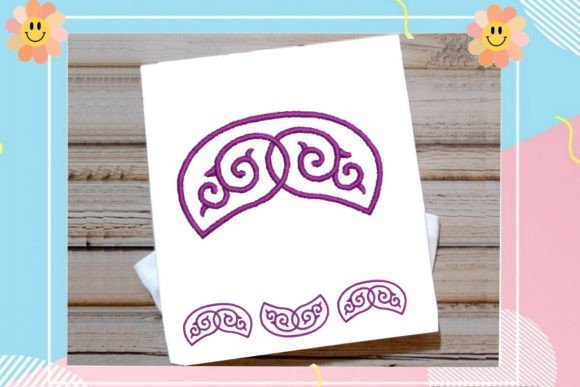
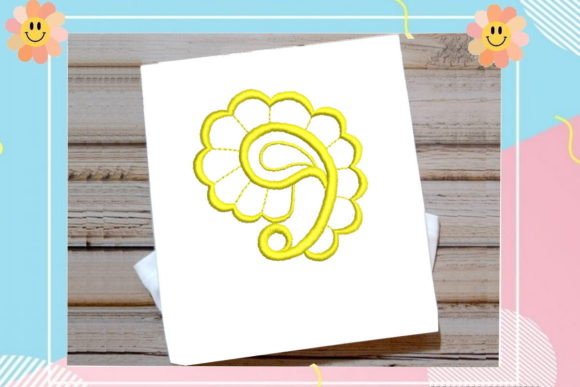
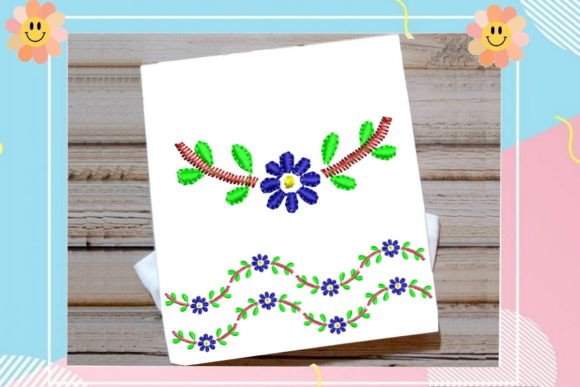
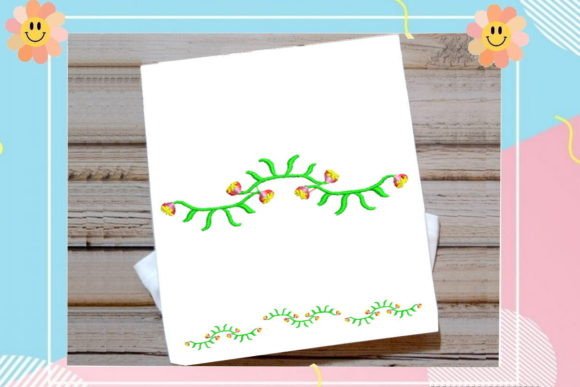
The moment I loaded the Cute Flower Border into my software, the immediate impression was one of gentle charm. This is not an overly complex or dense pattern; rather, it strikes a balance between playful and elegant. The mood is distinctly romantic yet modern, making it versatile enough for both nursery items and contemporary home decor. For those of us in the Embroidery community, finding a design that feels "handmade" without looking amateurish is a constant challenge. This design succeeds by using clean lines and open spaces, which prevents the fabric from puckering while maintaining visual interest.
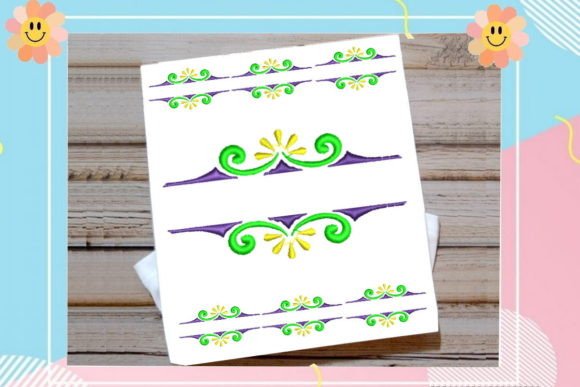
The emotional appeal here is strong. It evokes feelings of warmth, care, and nostalgia. When I imagine this stitched onto a product, I do not just see thread on cloth; I see a thoughtful gesture. This is crucial for anyone selling a handmade product. Customers are not just buying an item; they are buying the sentiment behind it. The Cute Flower Border serves as a perfect frame for names, dates, or short messages, enhancing the emotional connection without overpowering the text.
Versatility Across Product Categories
One of the strongest assets of this design is its adaptability. As a member of the Borders category, it is designed to frame other elements, but it stands beautifully on its own. Here is how I envision it performing across different niches:
- Baby Embroidery: This is perhaps the most natural fit. The soft curves and floral motifs are ideal for baby blankets, burp cloths, and nursery wall hangings. It adds a delicate touch to gender-neutral palettes when using muted greens, yellows, or grays.
- Wedding Gift and Keepsakes: For bridal showers or wedding presents, this border can frame the couple’s initials or wedding date on a pillow cover or table runner. It feels celebratory without being overly formal.
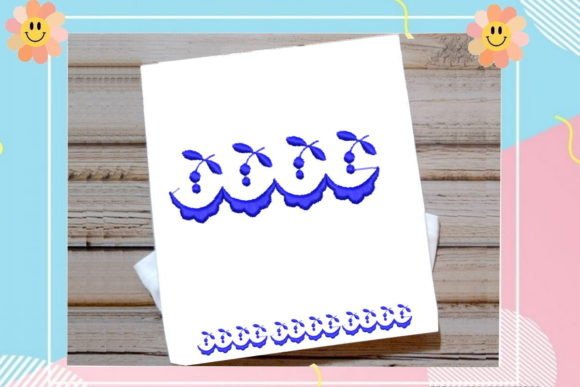
- Kitchen and Home Decor: An embroidered towel featuring this border along the hem elevates a simple cotton towel into a boutique-style item. It also works wonderfully on aprons, adding a professional finish to a custom order.
- Tote Bags and Apparel: Placing this design near the bottom hem of a tote bag or the cuff of a shirt creates a subtle, sophisticated detail that appeals to buyers looking for unique, non-mass-produced fashion.
For small shop product creators, this versatility means you can create multiple listings from a single digital embroidery file. You can market it as part of a baby set, a wedding collection, or a home refresh series, maximizing your return on investment.
Technical Considerations and Fabric Compatibility
While the design is charming, practical application requires attention to detail. As a designer, I always advise testing on scrap fabric before committing to a final finished product. Here are specific areas where caution is needed:
Fabric Texture and Thickness: The Cute Flower Border relies on clear definition. On highly textured fabrics like thick terry cloth towels, some of the finer details might get lost. In these cases, I recommend using a higher contrast thread color to ensure the design pops. Conversely, on smooth cottons or linens, the design will shine with crisp clarity.
Stretchy Materials: If you are applying this to stretchy baby clothes or knit fabrics, proper stabilization is non-negotiable. Without a cut-away stabilizer, the repeated stitching of the border could cause the fabric to distort over time. Always hoop your fabric tightly and use the appropriate backing to maintain the integrity of the stitch.
Dark Fabrics: When working on dark fabrics, ensure your thread colors have sufficient contrast. Pastel threads may disappear against navy or black backgrounds. I suggest creating a printable mockup or digital preview to check color harmony before stitching. This saves time and thread, ensuring the final look matches your vision.
Enhancing Perceived Value and Customer Trust
From a business perspective, the quality of your embroidery directly impacts customer trust. A clean, well-executed border suggests professionalism. When a customer receives a custom embroidery piece where the stitches are even and the design is centered, their perceived value of the item increases. The Cute Flower Border contributes to this by offering a polished look that rivals retail-quality goods.
Furthermore, this design aids in product photography. Borders naturally draw the eye inward, making them perfect for framing the focal point of your photo, such as a monogram or a brand logo. This can lead to higher buyer engagement on platforms like Etsy, where visual appeal drives clicks. By showcasing the design on various items—such as a blanket embroidery project or a decorative pillow—you demonstrate its utility and inspire customers to imagine it in their own homes.
Practical Notes for Execution
To ensure the best results with the Cute Flower Border, follow these practical steps:
- Check Stitch Density: Before loading the file, review the stitch count and density in your software. If the density seems too high for lightweight fabric, consider adjusting the underlay or choosing a lighter weight material.
- Confirm Hoop Size: Ensure the design fits comfortably within your machine’s hoop size, leaving enough margin for the fabric to be held securely. Do not guess; measure twice.
- Test Thread Colors: Experiment with different thread combinations. While the default colors may be pleasant, customizing the palette to match current trends can make your commercial embroidery offerings more attractive.
- Licensing Verification: Always confirm the licensing terms of the embroidery file. Ensure you have the right to sell finished products if you are using this for commercial purposes. Never assume; read the provider’s terms clearly.
- Post-Stitch Inspection: After stitching, trim any jump stitches carefully and press the item from the back to flatten the seams. This final step ensures the design looks professional and ready for gifting.
In conclusion, the Cute Flower Border is a valuable addition to any designer’s library. It balances aesthetic appeal with practical usability, making it suitable for a wide range of personalized gifts. Whether you are creating a heirloom-quality baby blanket or a chic kitchen towel, this design offers the sweetness and modernity that today’s customers crave. By paying attention to fabric choice, stabilization, and thread contrast, you can transform this digital file into a tangible expression of care and craftsmanship.